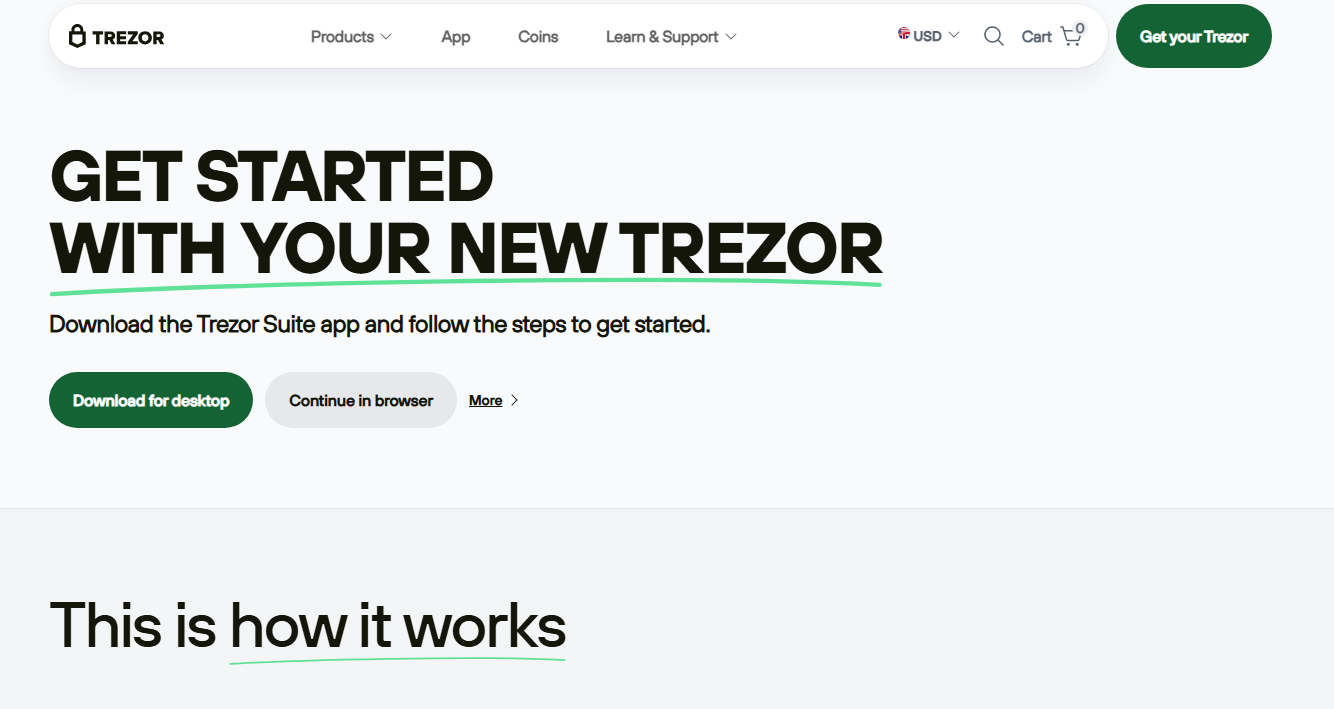
Trezor Login Guide
Trezor is a hardware wallet that allows users to securely manage their cryptocurrency assets. Unlike software wallets, Trezor stores private keys offline, providing a high level of security against online threats such as hacking or phishing attacks. Logging into your Trezor wallet involves a straightforward process, but it is essential to follow each step carefully to maintain the safety of your funds.
Getting Started
Before attempting to log in, ensure that your Trezor device is properly set up and initialized. During initialization, you will create a PIN and write down your recovery seed. The recovery seed is a series of words that can restore access to your wallet if your device is lost or damaged. Never share this seed with anyone, and avoid storing it digitally. Physical storage in a secure location is strongly recommended.
To begin the login process, connect your Trezor device to your computer using the USB cable provided with the device. Make sure your computer is running the latest version of its operating system and that your browser is up to date. These precautions help ensure compatibility and reduce the risk of encountering technical issues.
Accessing the Wallet Interface
Once your device is connected, you will need to access the Trezor wallet interface. This interface provides the tools to manage your assets, send and receive cryptocurrency, and configure your device settings. When the interface loads, it will detect your connected Trezor and prompt you for your PIN. The PIN is entered using the on-screen grid, which is randomized each time to prevent keyloggers from capturing your input.
Carefully enter your PIN by touching the corresponding areas on the Trezor screen. If you make an error, do not worry—simply re-enter the PIN. After successful entry, the wallet interface will unlock and display your account balances and transaction history. This interface serves as your control center for all wallet activities.
Understanding Security Features
Trezor devices come with multiple security layers. Besides the PIN, the recovery seed serves as a backup mechanism. Additionally, advanced users can enable passphrase protection, which adds an extra word to the recovery seed. This creates a separate wallet that is inaccessible without the passphrase. This feature is particularly useful for users managing large amounts of cryptocurrency or storing funds for long-term security.
Logging into Trezor also involves verification steps to ensure that the device is authentic. Modern Trezor models have a screen that allows you to confirm actions physically on the device. This prevents unauthorized access even if your computer is compromised by malware.
Common Troubleshooting
In some cases, users may encounter difficulties during login. Common issues include incorrect PIN entry, device connectivity problems, or outdated firmware. If your device fails to connect, try using a different USB port or cable. Make sure that your Trezor firmware is updated to the latest version, as updates often include security enhancements and bug fixes.
If you forget your PIN, do not attempt to guess repeatedly, as this may lock the device. Instead, use your recovery seed to restore access on another Trezor device. It is important to remain patient and follow the official recovery process carefully to avoid permanent loss of funds.
Best Practices for Trezor Login
For a safe and smooth login experience, always ensure that your device and recovery seed are stored securely. Avoid using public computers or networks when accessing your wallet. Maintain up-to-date antivirus software on your computer to protect against malicious attacks. Regularly checking for firmware updates on your Trezor device is also recommended.
Note: Never share your PIN or recovery seed with anyone. Legitimate support teams will never ask for this information. Treat these credentials as the keys to your financial assets.
Logging into Trezor is a balance between convenience and security. Following these guidelines will help you manage your cryptocurrency safely while minimizing the risk of theft or unauthorized access. The process is designed to be intuitive, but attention to detail and adherence to security practices are essential for protecting your digital assets.
By understanding the Trezor login process, its security features, and best practices, you can confidently access your wallet and perform transactions with peace of mind. Remember that Trezor is a tool for managing your own assets, and careful handling of your credentials ensures long-term protection.